
PANACEA: Comprehensive School Health Program
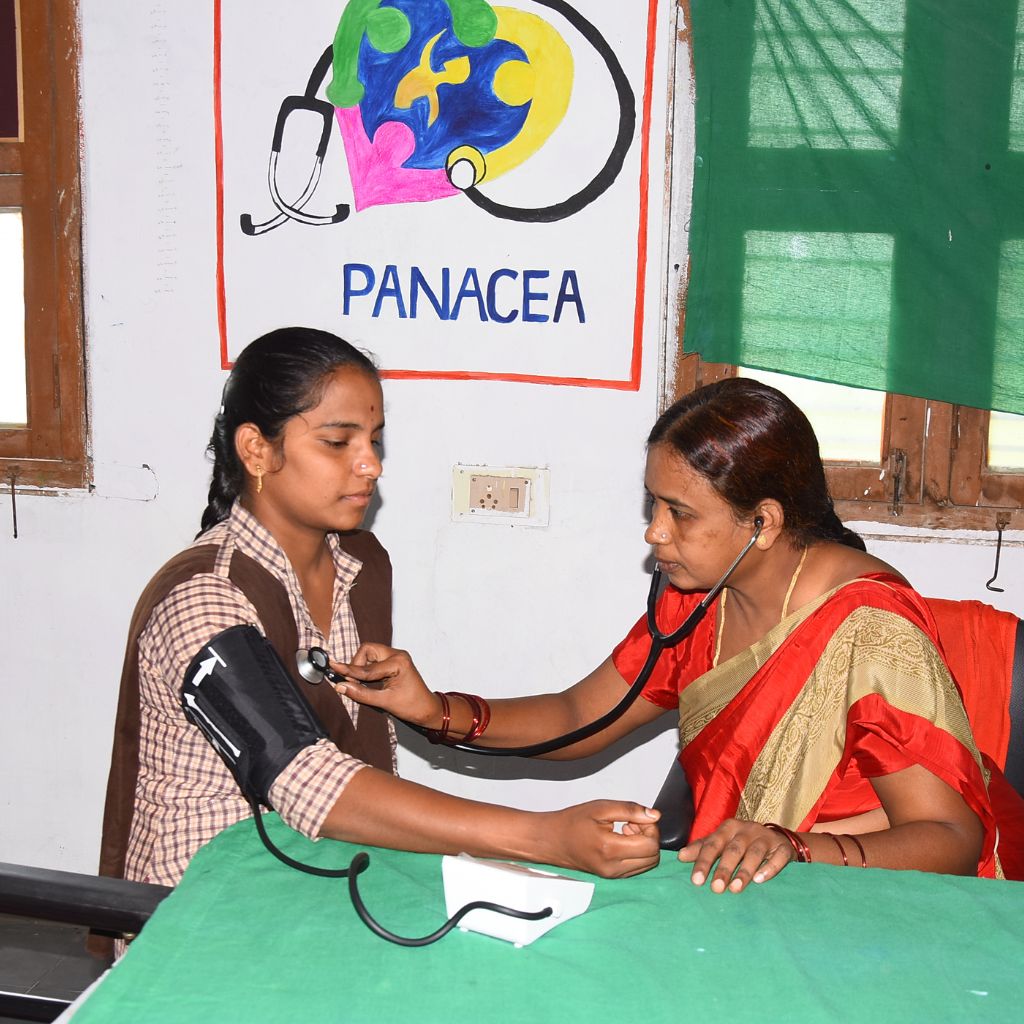
Synergy’s flagship PANACEA program delivers 24×7 medical care to vulnerable schoolchildren in Telangana. Launched in 2015 in partnership with the Telangana government’s social/tribal/BC welfare educational societies, PANACEA monitors the health of over 350,000 students in 613 residential schools synergyindia.foundation synergyindia.foundation. A dedicated health command centre operates year-round to track each child’s health status in real time synergyindia.foundation. The project’s goal is to improve availability of quality healthcare by ensuring every child’s condition is monitored and timely interventions are provided when needed synergyindia.foundation. In practice, PANACEA embeds nurses and mobile medical units in schools, runs regular screening camps, and provides a 24×7 toll-free helpline for emergencies synergyindia.foundation
Background: Context of Child Health in Telangana
Children in Telangana’s welfare schools suffer disproportionately from preventable ailments. Poverty, malnutrition and poor sanitation make them highly susceptible to worm infestations, stunting, vision and skin problems, dental decay and anemia synergyindia.foundation. For instance, national surveys report that over 40% of India’s scheduled tribe and caste children are stunted synergyindia.foundation – a marker of chronic malnutrition. In Telangana’s tribal and social institutions, lack of nearby clinics means routine illnesses often go untreated. PANACEA addresses this gap by bringing healthcare directly into schools, since “healthcare is the right of every individual but…lack of basic infrastructure” has left 60% of India’s population underserved synergyindia.foundation partnering with state authorities, SIF ensures that these marginalized children get quality care without any cost to their families synergyindia.foundation.
Implementation: How PANACEA Works
- 24×7 Health Command Centre: A central hub gathers real-time data on student health and coordinates care synergyindia.foundation. This command centre logs each child’s check-ups and alerts medical teams to intervene promptly.
- Regular Screenings: SIF medical staff conduct routine health camps in each school to detect chronic/acute conditions early synergyindia.foundation. These include vision tests, basic lab work and physical exams on-site.
- Medical Interventions: When issues arise, on-call doctors and paramedics treat or refer students to hospitals. To date, PANACEA has delivered ~300,000 general consultations, handled 8,770 chronic cases, 7,297 emergencies and even 676 surgeries – all free of charge.
- Support Services: A 24×7 toll-free helpline lets schools call doctors anytime synergyindia.foundation. In addition, the program installs menstrual hygiene incinerators and runs awareness workshops on health and sanitation synergyindia.foundation synergyindia.foundation. Through capacity-building, school staff and older students are trained in hygiene and first aid synergyindia.foundation.
Outcomes and Impact
PANACEA has already transformed child healthcare in these communities. By 2022, it was providing around 1,000 medical interventions per day, saving lives at school without any cost to families synergyindia.foundation. Rigorous monitoring has reduced absenteeism by catching illness early and preventing chronic problems. For example, many anemia and vision problems were flagged and treated before they could hinder a child’s studies. Founder Kiran Kumar reports that through PANACEA, SIF and the Telangana government have reached nearly 300,000 underserved children with healthcare. Importantly, hundreds of thousands of cases were managed entirely through the command centre, reflecting new access (previously these children might have gone without care).
Scalability and Future Model
PANACEA’s success demonstrates a scalable model for any region lacking school health services. SIF plans to expand it with Panacea Diagnostic Centres at the district level, so rural families need not travel far for tests. The combination of digital monitoring, helpline and field teams can be replicated in other states’ welfare schools or even extended to government schools nationwide. With additional vehicles and funding, mobile screening (as seen in our Aarogyadhoot program) can broaden its reach. By collaborating with other NGOs and corporate donors, this model could help all poor schoolchildren in India get preventive and acute care.
Conclusion & Call to Action
Panacea exemplifies SIF’s mission of making “healthcare a right, not a privilege”. It has shown that consistent, data-driven healthcare in schools saves lives and builds a healthier generation synergyindia.foundation. Synergy India Foundation continues to scale this impact and calls on supporters to join in: whether by donating medical equipment, sponsoring a health van, or volunteering for screenings, every contribution helps extend PANACEA’s reach. As SIF’s founder notes, continued partnership is needed to “scale up our programs” so that every child in need receives timely care.
